Why Are My Eyes Changing Color? An Optometrist’s Perspective
Introduction
Iris shade is one of the most distinctive highlights we notice about one another, and many people assume it’s fixed for life. Yet, as an optometrist, I often see patients who are surprised to notice their eyes looking lighter, darker, or slightly different than before. In many cases, these changes are harmless, but sometimes they can be an crucial sign of an underlying health condition. Understanding why iris shade may change—and when to be concerned—is must-have for shielding your eye health.
How Iris shade Is Determined
At birth, most babies have blue or gray eyes since they haven’t yet developed their full pigment. Iris shade is largely determined by melanin, the pigment that additionally influences skin and hair color. The more melanin present in the iris, the darker the iris shade.
-
Blue eyes have the least melanin.
-
Green and hazel eyes have moderate melanin.
-
Brown eyes have the most melanin.
While genetics primarily dictate iris shade, changes in melanin distribution or other structural changes in the iris can alter appearance over time.
Normal Reasons Eyes Can Change Color
1. Aging
As part of the realistic aging process, the iris may lose some of its pigment. This can make eyes appear lighter or more washed out in older adults. It’s a gradual change and usually not a cause for concern.
2. Lighting and Contrast Effects
Blue, green, and hazel eyes are particularly reflective. Depending on lighting, pupil size, or even the color of your clothing and makeup, your iris shade may seem to shift slightly. For instance, hazel eyes often look greener in bright light or when surrounded by warm-toned clothing.
3. Medications
Some medications can permanently alter iris pigmentation. A typical example is prostaglandin analog eye drops used to treat glaucoma, which may cause gradual darkening of the iris, particularly in patients with mixed-color eyes.
4. Hormonal Changes
Rarely, significant hormonal shifts (such as pregnancy or certain endocrine disorders) may slightly influence eye pigmentation, though this is uncommon and usually subtle.
When Iris shade Changes Could Be a Warning Sign
While many changes are benign, others can indicate medical issues that require prompt attention.
1. Iris Freckles or Nevi (Eye Moles)
Just like skin, the iris can develop freckles or pigmented spots. Most are harmless, but some may require monitoring to ensure they are not melanoma.
2. Horner’s Syndrome
This neurological condition can affect pigmentation and cause one eye to appear lighter than the other. It’s often accompanied by a drooping eyelid or smaller pupil on the affected side.
3. Pigment Dispersion Syndrome and Pigmentary Glaucoma
In these conditions, pigment granules from the iris flake off and float into the eye’s drainage system, sometimes causing elevated pressure and optic nerve damage. A subtle change in iris color or a hazy appearance may be an early sign.
4. Fuchs’ Heterochromic Iridocyclitis
This is a rare, chronic inflammation of the eye that can cause one iris to appear lighter than the other. Patients may additionally experience blurred vision or floaters.
5. Ocular Melanoma
Though rare, melanoma of the eye can cause dark spots or areas of increased pigmentation in the iris. Any new pigmented lesion in the eye should be evaluated by an eye care professional.
6. Arcus Senilis
This is a grayish or bluish ring around the cornea often seen in older adults. While usually harmless, it can sometimes be associated with elevated cholesterol, making it an crucial finding to discuss with your doctor.
One Eye vs. Both Eyes
-
Changes in both eyes: Often linked to aging, medication use, or environmental effects, and usually not urgent.
-
Changes in only one eye: More concerning, particularly if the change is sudden. This may indicate an underlying condition that requires medical evaluation.
What You Should Do If You Notice Iris shade Changes
-
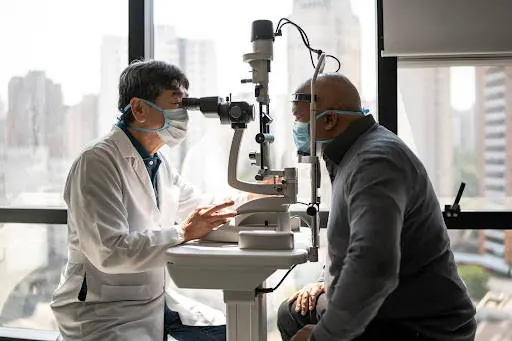
Schedule a comprehensive eye exam. Even if the change appears minor, your optometrist can use specialized tools to examine the iris and retina.
-
Document the change. Note when you first noticed it and whether it’s getting more pronounced.
-
Bring a list of medications. Some prescription drops or systemic medications can influence iris pigmentation.
-
Seek urgent care if color changes are accompanied by pain, sudden vision loss, floaters, or halos around lights.
Final Thoughts from an Optometrist
Iris shade is usually stable, but when changes do occur, they can range from completely harmless to medically significant. While realistic aging and lighting are the most typical explanations, sudden or one-sided changes should at no point be ignored. If you’ve noticed your eyes looking different, schedule a comprehensive eye exam. It’s the finest method to determine whether the change is cosmetic—or a signal your eyes are trying to tell you something more crucial.
Share Link copied! Tweet Share Pin it Previous post Next post