Introduction
Corneal neovascularization is a serious eye condition that can result from improper eye lens use. Understanding its causes, recognizing the symptoms, and adopting preventive measures are crucial for maintaining solid eye health. This article delves into the science behind neovascularization, its implications for eye lens wearers, and practical steps to steer clear of it.
What is Neovascularization?
Neovascularization refers to the abnormal growth of new blood vessels in tissues where they are not typically present. This condition can lead to significant vision problems, as the new vessels can cause scarring and result in permanent vision loss. When the cornea, which is naturally avascular (without blood vessels), starts developing these new vessels, it is often a response to hypoxia (lack of oxygen) and inflammation. These new blood vessels can interfere with vision by clouding the cornea and causing vision impairment.
Understanding Corneal neovascularization
Definition and Mechanism: Corneal neovascularization occurs when the cornea, which is normally avascular, starts developing new blood vessels. This process is typically a response to hypoxia (lack of oxygen) and inflammation. The cornea requires oxygen to function correctly, and when it doesn't grab enough oxygen, the body compensates by growing new blood vessels to supply the needed oxygen.
Symptoms: Typical symptoms include redness, discomfort, decreased vision, and the appearance of new, abnormal blood vessels in the cornea. Early detection of these symptoms is crucial to steer clear of further complications.
Causes of Corneal Neovascularization in Eye lens Wearers
Prolonged Wear of Eye lenses
Putting on eye lenses for extended periods, especially beyond the recommended lifespan, can significantly reduce the oxygen supply to the cornea, triggering neovascularization. Continuous wear of eye lenses prevents the cornea from getting the necessary oxygen from the air, leading to hypoxia and subsequent growth of new blood vessels.
Poor Lens Hygiene and Care Practices
Inadequate rinsing and disinfecting of eye lenses can lead to bacterial buildup and infections, contributing to inflammation and neovascularization. Proper lens hygiene is must-have to steer clear of the accumulation of bacteria and debris on the lenses, which can cause infections and irritate the cornea. One day disposable eye lenses are another option to reduce bacterial buildup and reduce infection risk.
Low Oxygen Permeability Lenses
Eye lenses with low oxygen permeability restrict the amount of oxygen that reaches the cornea, increasing the risk of hypoxia and subsequent neovascularization. Picking high-oxygen permeability lenses can help in maintaining the health of the cornea by allowing more oxygen to reach the oxygen.
Ill-Fitting Eye lenses
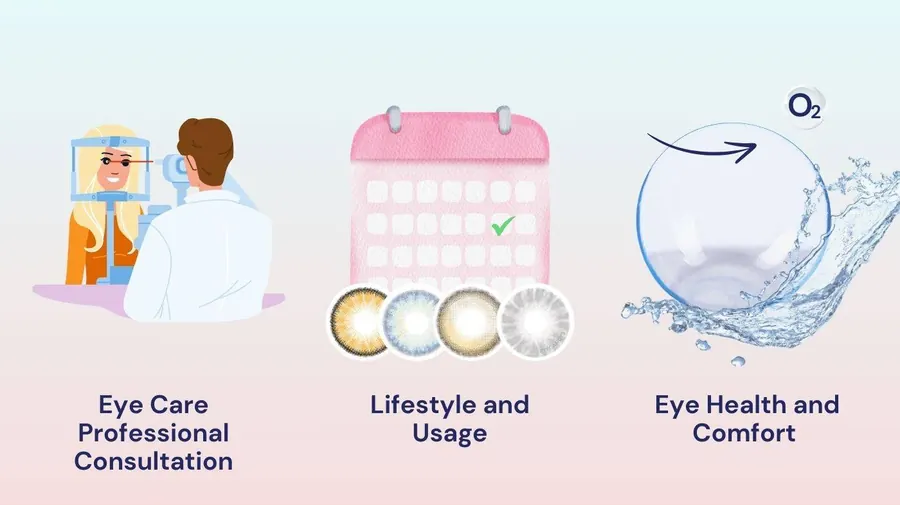
Lenses that do not fit correctly can cause mechanical irritation to the cornea, leading to inflammation and promoting abnormal blood vessel growth. Ensuring that eye lenses are correctly fitted by an eye care professional can steer clear of unnecessary friction and irritation.
Overwearing Eye lenses
Using eye lenses beyond the recommended time period, especially disposable ones, can degrade the lens, causing discomfort and increasing the risk of complications like neovascularization. Adhering to the recommended replacement schedule for eye lenses is crucial for eye health.
Risks and Complications of Neovascularization
Corneal neovascularization can lead to severe complications if left untreated. Understanding these risks can emphasize the importance of preventive measures and early detection.
Potential Vision Impairment
The new blood vessels can result in loss of corneal clarity, causing blurred vision and even permanent vision loss if the condition progresses. Early detection and treatment are must-have to steer clear of irreversible vision loss.
Increased Risk of Eye Infections
The presence of new blood vessels can facilitate the entry of pathogens into the cornea, increasing the likelihood of eye infections. Maintaining proper hygiene and regular eye check-ups can help in early detection and steer clear of infections.
Impact on Overall Eye Health
Corneal neovascularization can cause chronic discomfort, redness, and irritation, affecting the overall health and comfort of the eyes. Managing the condition with appropriate treatment can improve the grade of life and steer clear of further complications.
Most cases of neovascularization can be prevented with regular eye exams and solid eye lens hygiene," says Dr. David Jupiter. It is must-have to take out eye lenses from the eyes at the first signs of redness and/or discomfort. Redness and eye discomfort are often signs that something is irritating the eyes. Eye lens wear can be the primary or a contributing source of the irritation and discomfort. Left unchecked, this can lead to significant inflammation.Preventive Measures for Neovascularization
Picking the Right Eye lenses
Opt for high-oxygen permeability lenses to improve oxygen supply to the cornea. These lenses are designed to allow more oxygen to pass through to the cornea, reducing the risk of hypoxia.
Adhering to Proper Lens Hygiene
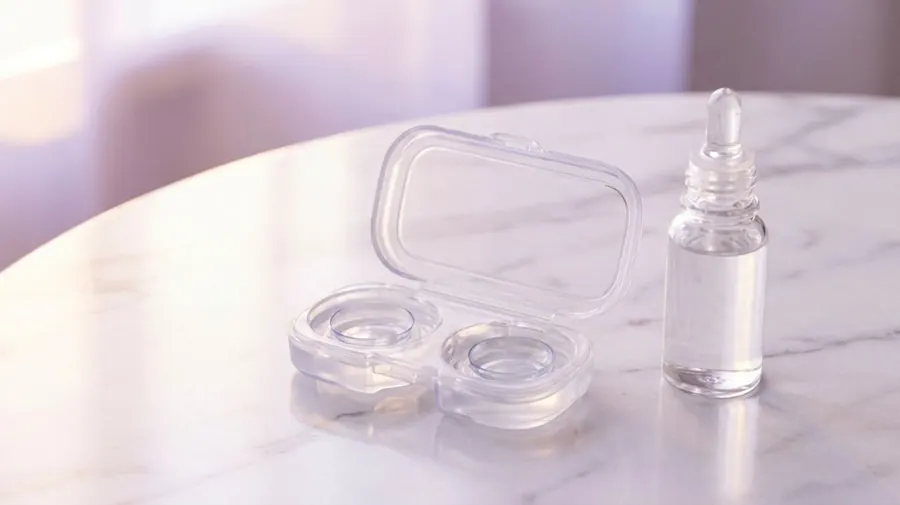
Maintaining strict hygiene practices can significantly reduce the risk of infections and neovascularization. Regular rinsing and disinfecting of eye lenses (or putting on one day disposable eye lenses) can significantly reduce bacterial buildup thereby reducing the risk of corneal complications.
Following Recommended Putting on Schedules
Steer clear of putting on eye lenses overnight or beyond the recommended lifespan to steer clear of hypoxia. Adhering to the prescribed putting on schedule can steer clear of unnecessary strain on the cornea.
Regular Eye Examinations
Regular check-ups with an optometrist can help detect early signs of neovascularization and other eye conditions. Early detection can lead to timely treatment and steer clear of further complications.
Treatment Options for Corneal Neovascularization
If detected early, corneal neovascularization can be managed and treated effectively. Understanding the available treatment options can help in making informed decisions.
Medical Treatments
Treatments often include cessation of eye lens wear until the eye doctor feels it’s OK to resume wear, antibiotic eyedrops to reduce or eliminate infection, and steroidal anti-inflammatory eyedrops to resolve the inflammation.
Surgical Procedures
In severe cases, surgical interventions may be necessary to restore vision loss associated with eye lens related corneal damage. Consulting with an eye care professional can help to determine the finest treatment plan.
Importance of Early Detection
Early detection through regular eye exams is crucial for successful treatment and preventing long-term complications. Regular monitoring and timely intervention can ensure the health of your eyes.
Preventing neovascularization from eye lenses involves a combination of picking the right lenses, adhering to proper hygiene practices, and following recommended putting on schedules. Regular eye exams are must-have for early detection and effective management of this condition. By taking these preventive measures, you can maintain healthy eyes and enjoy the perks of eye lenses.
Share Link copied! Tweet Share Pin it Previous post Next post