Introduction
Understanding your eye lens prescription is crucial for ensuring optimal vision correction and comfort. This knowledge helps you select the right lenses, maintain eye health, and steer clear of potential issues. In this handbook, we'll break down the key components of a eye lens prescription, explain the differences from eyeglass prescriptions, and highlight the importance of regular eye exams.
What is a Eye lens Prescription?
A eye lens prescription is a detailed document provided by an eye care professional that outlines the specific vision correction needed for each eye. It includes additional details required for proper lens fitting that are not present in eyeglass prescriptions. Ensuring you have a valid and accurate prescription is must-have for optimal vision and eye health.
Differences Between Eyeglass and Eye lens Prescriptions
Eyeglass and eye lens prescriptions are not interchangeable due to the additional measurements needed for eye lenses. Usually, the sphere power and cylinder are different between the eyeglass and eye lens prescriptions. Since eye lenses sit directly on the eyes, the sphere power will differ, especially for higher power prescriptions. Eye lenses typically have limited cylinder powers, so cylinder power may vary between the eyeglass and eye lens prescriptions. Eye lens prescriptions include the base curve (BC) and diameter (DIA), which are crucial for fitting the lens comfortably on the cornea. Unlike eyeglasses, eye lenses sit directly on your eyes, making these measurements vital for comfort and proper vision correction.
Key Components of a Eye lens Prescription
OD and OS
OD (Oculus Dexter) refers to the right eye, and OS (Oculus Sinister) refers to the left eye. These Latin terms ensure each eye is treated separately, providing precise vision correction for both.
Sphere (SPH)
Sphere (SPH) indicates the lens power needed to correct nearsightedness or farsightedness. A negative (-) value denotes myopia (nearsightedness), while a positive (+) value indicates hyperopia (farsightedness). The SPH value helps determine how strong the lens needs to be to correct your vision.
Cylinder (CYL) and Axis
Cylinder (CYL)corrects astigmatism, which is caused by an irregularly shaped cornea. The CYL value can be minus (-) or plus (+), depending on the type of prescription format used. Eyeglass prescriptions can be written in either in plus cylinder format or minus cylinder format. Although an eyeglass prescription may look incredibly different in one format versus the other, the two actually represent identical prescriptions. Eye lenses are at all times written in minus cylinder form.
Add Power (ADD)
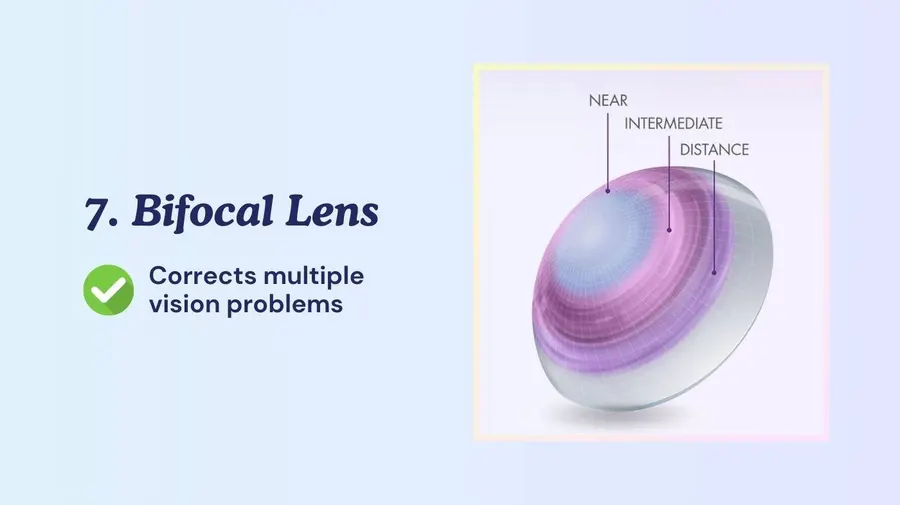
Add Power (ADD) is used in bifocal and multifocal lenses to correct presbyopia, a condition that affects near vision as you age. It indicates the additional magnifying power required for reading and close-up tasks.
Base Curve (BC)
Base Curve (BC) measures the curvature of the central back surface of the eye lens. For eyeglass lenses, the base curve is the curvature of the front surface of a lens. It is crucial for fitting the lens comfortably on the eye and maintaining proper vision correction. The BC value ensures the eye lens conforms to the realistic shape of your eye.
Diameter (DIA)
Diameter (DIA) specifies the overall size of the eye lens. The DIA value ensures that the lens covers the cornea adequately for optimal vision correction and comfort. It additionally helps steer clear of the lens from shifting on the eye.
Reading Your Eye Prescription
Interpreting your eye prescription involves understanding each component. Let's break it down in effortless stages:
1. OD and OS: Identify the values for your right and left eyes.
2. Sphere (SPH): Note the SPH value for each eye to grasp the degree of nearsightedness or farsightedness.
3. Cylinder (CYL) and Axis: Check the CYL and Axis values if you have astigmatism.
4. Add Power (ADD): Search for the ADD value if you need bifocal or multifocal lenses.
5. Base Curve (BC) and Diameter (DIA): Ensure the BC and DIA values match the specifications for your eye lenses.
Typical Abbreviations and Terms
Understanding typical abbreviations can make reading your prescription easier:
OD: Right Eye
OS: Left Eye
SPH: Sphere
CYL: Cylinder
AX: Axis
ADD: Add Power
BC: Base Curve
DIA: Diameter
The Process of Getting a Eye lens Prescription
Comprehensive Eye Exam
A comprehensive eye exam typically includes tests to measure visual acuity, refraction, and an examination of the retina. These tests help determine your prescription for glasses or eye lenses.
Eye lens Fitting
The fitting process involves determining the eyeglass prescription and measuring the curvature of your cornea. Additional measurements such as assessing the size of your pupil and iris maybe required. Trial lenses are often used to ensure a proper fit. The eye care professional will evaluate how the lenses fit on your eyes and make any necessary adjustments.
Follow-up Appointments
Follow-up appointments are crucial to ensure the lenses fit correctly and provide the expected vision correction. They additionally help address any issues or discomfort you may experience.
Why Regular Eye Exams Are Crucial
Regular eye exams are vital for maintaining accurate prescriptions and overall eye health. During an eye exam, an eye care professional can detect changes in your vision and update your prescription accordingly. Regular check-ups additionally help identify potential eye conditions early, reducing the risk for severe vision problems.
Typical Issues with Eye lens Prescriptions
Incorrect Fit
An incorrect fit can cause discomfort, blurry vision, and potential damage to your eyes. Ensuring the base curve (BC) and diameter (DIA) values are accurate is must-have for a proper fit.
Expired Prescriptions
Using expired prescriptions can lead to outdated vision correction, causing eye strain and discomfort. At all times ensure your prescription is up-to-date.
Over-the-Counter Lenses
Ordering lenses without a proper prescription can be risky. Over-the-counter lenses may not fit correctly or provide the necessary vision correction, leading to potential eye health issues.
Pointers for Maintaining Healthy Vision with Eye lenses
Proper Lens Care
Rinse and disinfect your lenses regularly to steer clear of bacterial buildup. At all times follow the recommended rinsing and storage procedures provided by your eye care professional.
Following Replacement Schedules
Adhere to the recommended replacement schedules for your eye lenses. Overwearing lenses can lead to discomfort and potential eye infections.
Recognizing Signs of Discomfort
If you experience any discomfort, redness, or changes in vision while putting on eye lenses, take out them right away and consult your eye care professional. Prompt attention can steer clear of serious eye health issues.
Understanding your eye lens prescription is must-have for picking the right lenses and maintaining solid vision. Regular eye exams ensure your prescription is up-to-date, providing optimal vision correction and comfort. Explore EyeLensy' range of eye lenses to discover options that suit your prescription and enhance your look.
Share Link copied! Tweet Share Pin it Previous post Next post